
The Level of Treatment
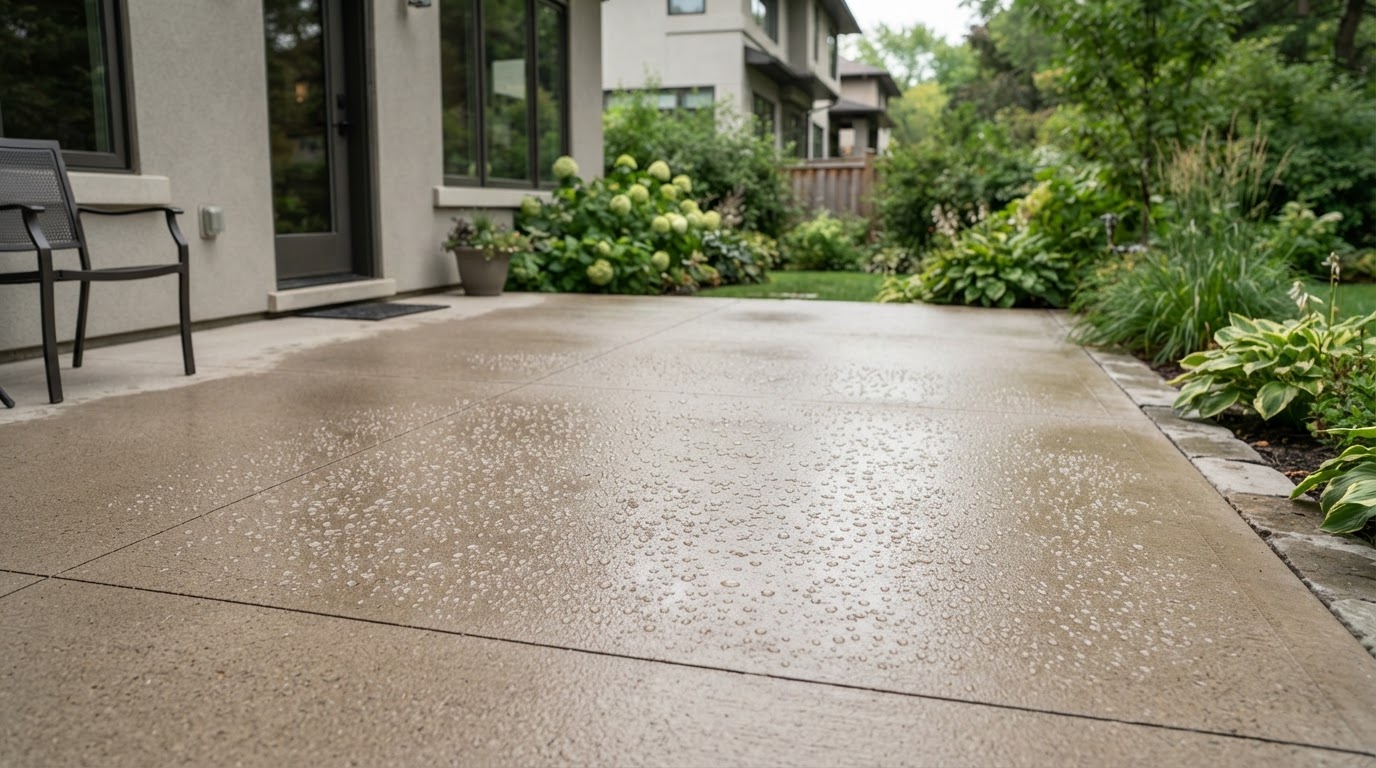
Sealing is a surface treatment — it applies a protective layer that slows moisture and stain penetration without changing the concrete much. Polishing is a mechanical process that grinds and densifies the concrete into a hard, smooth, reflective surface. Sealing is lighter and faster; polishing is a deeper transformation.
Appearance and Finish
A sealer can add sheen and enhance the concrete's color, but the look stays close to the original. Polishing produces a much more refined, high-gloss surface that reflects light and looks finished. If you want a floor that looks completed rather than just protected, polishing is the choice.
Durability and Maintenance
Polished concrete is denser and more abrasion-resistant, with no film to wear off — the finish is in the concrete. A sealer protects the surface but can wear and need reapplication over time. For high traffic, polishing is the more durable option; for lighter protection, sealing is the lower-cost choice.
Which to Choose
Choose sealing for exterior concrete, driveways, or spaces that need stain protection without a full transformation. Choose polishing for interiors, retail, and warehouses where you want a durable, low-maintenance, finished look. We assess the slab and the exposure to recommend the right one.
Polished vs. Sealed Concrete at a Glance
| Feature | Polished Concrete | Sealed Concrete |
|---|---|---|
| Treatment level | Ground and densified | Surface sealer application |
| Finish | Smooth, high-gloss, reflective | Sheen; close to original look |
| Durability | High — dense, abrasion-resistant | Moderate — protective film |
| Maintenance | Sweep and clean; no recoat | Clean; may need resealing over time |
| Best for | Interiors, retail, warehouses | Exterior concrete, light stain protection |